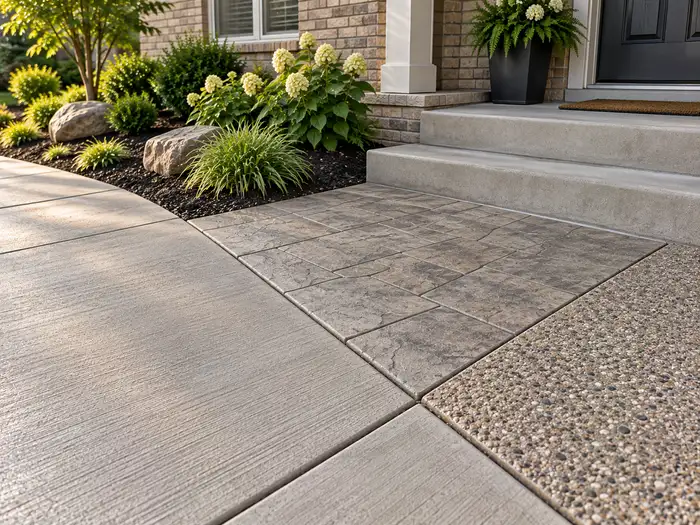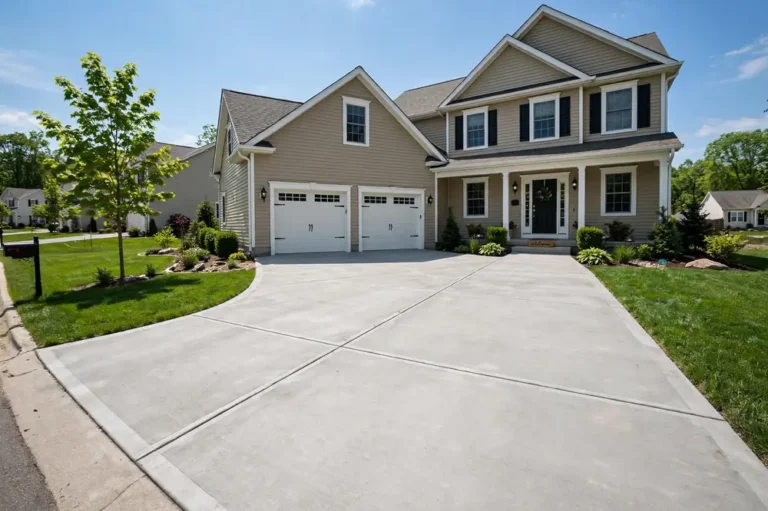
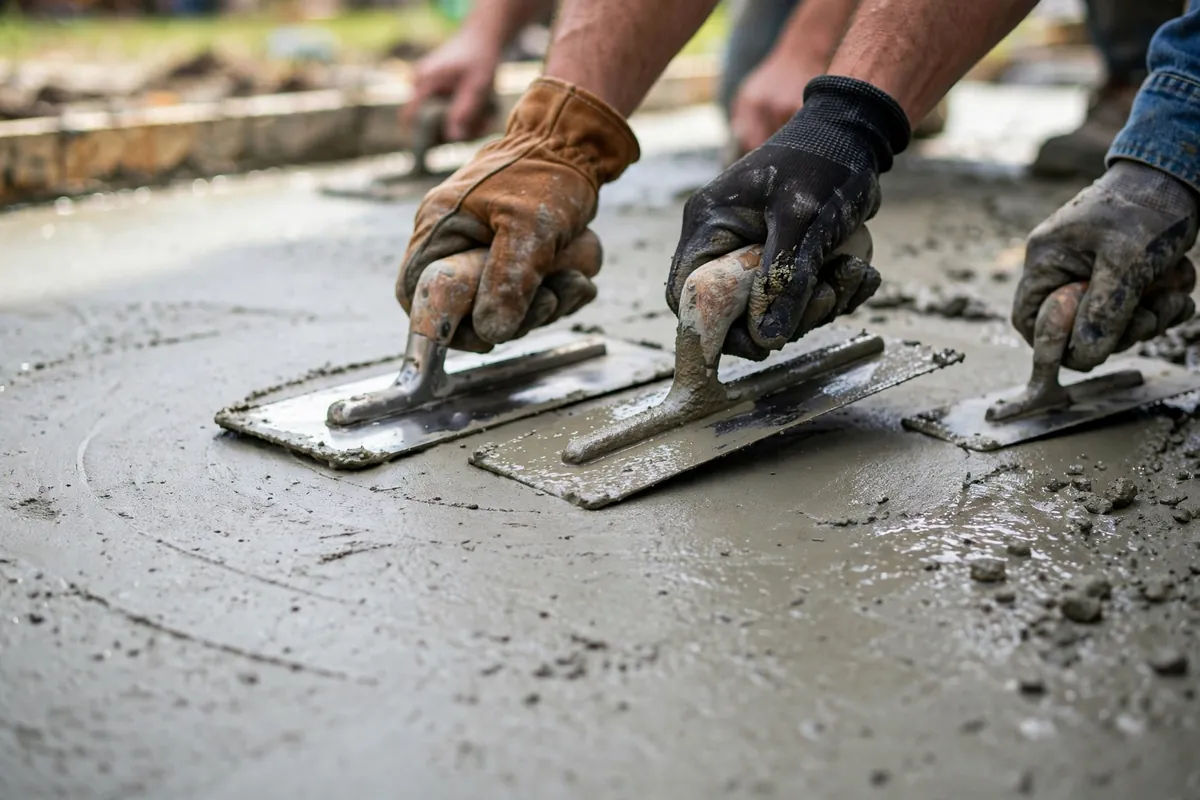
What Really Drives the Concrete Price Per Yard in Columbus?
When homeowners in Dublin, Worthington, Upper Arlington, and Westerville ask us about concrete work, one question comes up early. They want to know why one quote looks different from another when both jobs seem similar on the surface. We understand that frustration, because concrete is not a single product with a single price. It is a mix, a delivery, a base, a finish, and a crew working in real Columbus conditions. The concrete price per yard sits at the center of that conversation, yet it rarely tells the whole story on its own.
We wrote this guide to explain what sits behind that number. You will learn which choices raise or lower the material portion of a job, why access and preparation matter so much, and how to compare written estimates without getting lost in jargon. We do not offer a fixed quote here, because no responsible contractor can price a slab they have not seen. What we can do is show you the factors that matter, so your next conversation with any contractor is sharper and calmer.
What does mix design change about per-yard pricing?
Mix design is the recipe for your concrete. Strength, aggregate size, air content, and admixtures all change how the material behaves and what it costs to produce. A basic walkway mix and a heavy driveway mix are not interchangeable, even if both arrive in the same truck. Air-entrained mixes, which help concrete resist freeze and thaw damage, are common for exterior flatwork in Ohio. They are a sensible choice for Columbus winters, and they can affect material pricing.
Workability matters too. A mix that flows easily into forms around steps or tight corners saves labor, while a stiff mix may need more effort to place and finish. Additives that speed up or slow down setting time also come into play, especially on hot summer days or cold late-season pours. When you compare estimates, ask what strength and mix each contractor has specified. Two estimates that look close on price may specify very different mixes, and that difference matters for longevity.
How does volume affect what you pay per yard?
Volume is one of the simplest drivers to understand. A large driveway pour spreads fixed costs, such as delivery, setup, and crew time, across more yards. A small repair or a short walkway section carries many of the same fixed costs but divides them across fewer yards, so the cost per yard feels higher even when the total job is smaller. This is normal, and it explains why a small patch can seem expensive relative to its size.
Ordering also requires care. If a crew orders too little, a second load may be needed, which adds delivery time and can leave a visible seam. If a crew orders too much, material goes unused. Experienced crews measure carefully, allow for waste in irregular shapes, and plan the pour sequence before the truck arrives. That planning protects both your budget and the finished surface.
Why do access and site conditions matter so much?
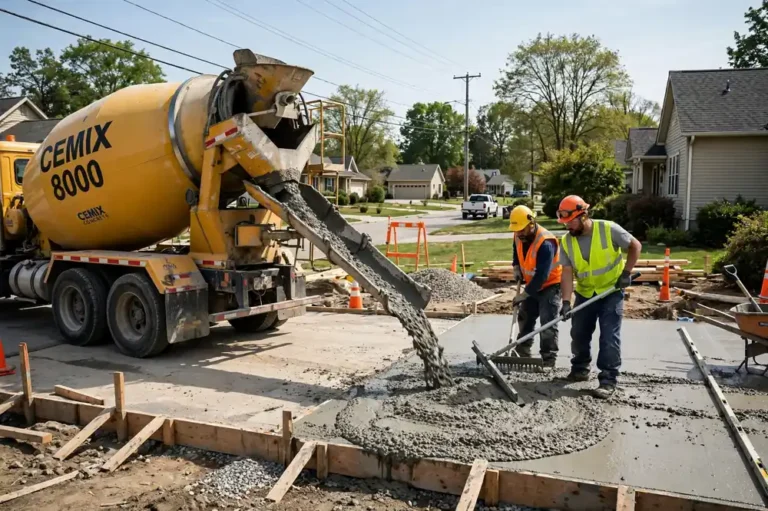
Access is often the hidden cost driver that surprises homeowners. A truck that can back right up to the forms keeps labor low and placement fast. A site where concrete must be carried, pumped, or wheeled a long distance needs more hands and more time. Trees, fences, gates, slopes, and soft ground after rain can all slow a pour. In older Columbus neighborhoods, narrow side access is common, and it is worth mentioning early so your estimate reflects reality rather than an optimistic guess.
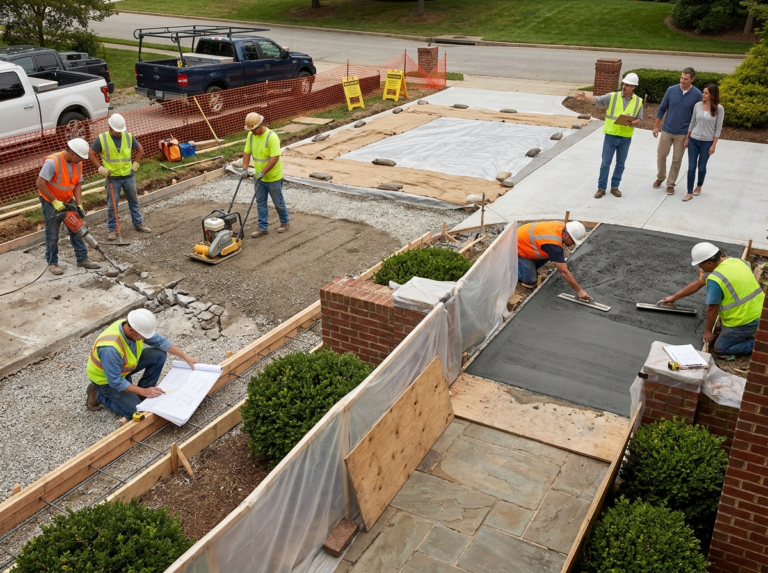
Preparation sits alongside access. Removing old concrete, roots, or failed base material takes time and disposal effort. Grading for drainage, compacting a stone base, and setting forms correctly all happen before a single yard is poured. Skipping those steps may lower an estimate, but it also raises the risk of settling, cracking, and standing water. We would rather explain preparation clearly than hide it and hope for the best.
How should you read a written estimate?
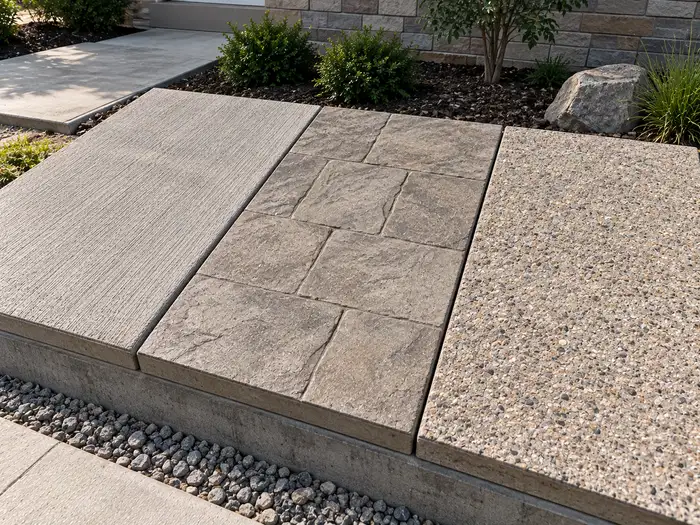
A useful written estimate names the scope in plain language. It should state the area, thickness, mix strength, base work, removal if any, finish, joints, curing plan, and cleanup. It should also state what is not included, such as landscaping repair beyond the work area or extra work if hidden damage appears once old concrete is removed. When estimates differ, compare those line items first, not just the bottom line.
We also recommend asking about scheduling and weather contingencies. Concrete work depends on temperature and rain, and a crew that plans for a weather delay is more reliable than one that promises a date no matter what. A written estimate gives you something to hold onto if the scope changes, and it protects both sides when a surprise appears under an old slab.
What published ranges can help you sense-check a project?
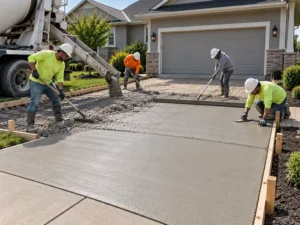
Because per-yard material pricing alone does not describe a finished job, finished-project ranges are more useful for planning. For driveway and patio work in our published guides, we use $6-12 per sq ft as a range that varies by project. Concrete leveling work typically falls in a $500-3000 per job range, while resurfacing ranges from $3-10 per sq ft. Stamped work ranges from $8-18 per sq ft, and demolition ranges from $1.20-1.90 per sq ft. These are planning ranges, not quotes, and your written estimate will reflect your size, access, base condition, and finish.
If a quote falls far outside a published range, ask why. There may be a good reason, such as difficult access, extensive removal, or a decorative finish. There may also be a missing item, such as base work or cleanup. Either way, the question itself helps you. You are not challenging the contractor by asking. You are doing the careful comparison that a durable project deserves.
How does this connect to leveling, repair, and driveways?
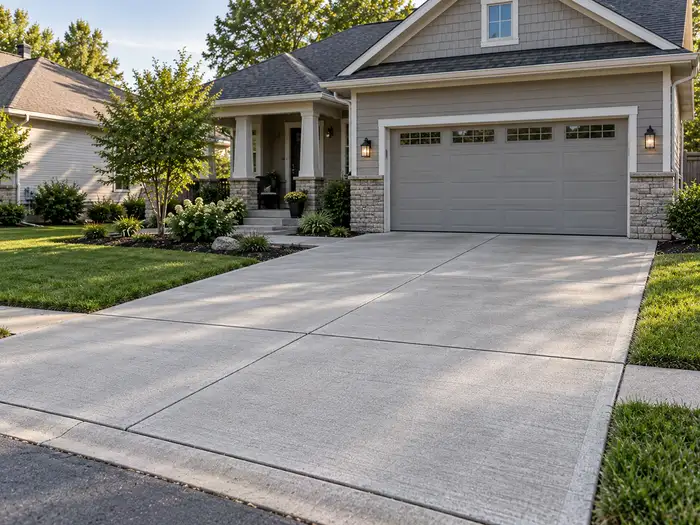
Not every concrete problem needs a full replacement, and that choice changes the conversation about yards entirely. When a slab has settled but remains sound, concrete leveling can lift it without pouring a whole new slab. When cracking, spalling, or joint damage is the main issue, concrete repair may be the right scope. When a driveway has reached the end of its life, a new pour through our concrete driveways service may make more sense. Each path uses material differently, so comparing them on yards alone would mislead you.
For a broader view of how these project types compare, our 2026 cost guide brings the ranges together in one place. It also links to companion guides on per-square-foot pricing, driveway pricing, and choosing a contractor. Reading that hub first can help you decide which detailed guide fits your project best.
What should you ask before you approve any concrete work?
Start with scope, mix, base, drainage, finish, and curing. Ask how water will drain away from your home and where joints will be cut. Ask what happens if the crew finds soft soil or a failed base once demolition begins. Ask how long the work will take, when you can use the surface, and what cleanup is included. Finally, ask for everything in writing. A clear scope, a named finish, and a written estimate turn a vague price conversation into a plan you can trust.
If you are still weighing options, we can help you think through the scope before you commit. Request a free estimate and tell us about your driveway, patio, walkway, or settled slab. We will talk through access, preparation, and finish choices in plain language, so the number you receive makes sense in context. The concrete price per yard is only one piece of that picture, and understanding the rest is how you get a project that lasts through Columbus winters.